

 See My Latest Article on HelloNation

What Factors Affect the Value of a Trade-In in Ruston, LA?
Several key elements determine what your trade-in is worth locally. The condition of the vehicle, mileage, age, maintenance history, and market demand all play major roles. Appraisers in Ruston factor in things like exterior wear from Louisiana’s heat and humidity, common for area vehicles parked outdoors, as well as features like air conditioning—especially valued during long, hot seasons.
Local dealers will also consider how popular your model is among area drivers. For example, vehicles that are reliable in local driving conditions or fuel-efficient for commutes along Highway 167 may earn higher values. Seasonal timing sometimes influences demand too, especially before summer trips or the start of the school year when families look for dependable transportation.
How Can You Prepare Your Vehicle to Increase Its Trade-In Offer?
A well-prepped trade-in can command a better offer. Start with a thorough cleaning inside and out. Removing trash, vacuuming carpets, and wiping down surfaces leaves a positive impression. Standard wash and wax services help restore shine, but avoid expensive detailing unless your vehicle needs it to overcome obvious flaws.
Take care of minor fixes that are inexpensive, such as replacing burned-out bulbs, topping off fluids, and addressing small windshield chips that worsen with Louisiana’s weather extremes. Gather maintenance records and keep them organized; this helps demonstrate your vehicle’s ongoing care. Providing multiple sets of keys and the original owner’s manual can also show readiness and attention to detail.
What Paperwork Should You Have Ready?
Having the necessary paperwork can speed up your trade-in experience and support your vehicle’s value. Local trade-in transactions usually require:
- Vehicle title (or lienholder information if not paid off)
- Valid driver’s license
- Current registration
- Maintenance and repair records
- Loan payoff document if applicable
Missing paperwork can delay the process or reduce your offer, especially if proof of regular upkeep is lacking.
Do Minor Repairs and Maintenance Impact Trade-In Value?
Basic repairs usually result in better offers, especially compared to trading in a car with obvious problems. Small fixes—new windshield wipers, light bulb replacements, or addressing dashboard warning lights—can reflect better overall care. However, investing in major repairs (transmission, paintwork, tires) often does not yield a dollar-for-dollar return.
In Ruston, a functional air conditioner and reliable tires matter more, especially heading into summer heat or when highways and rural roads challenge worn components. Addressing these basic needs can make your vehicle more appealing without overspending.
Should You Disclose Known Issues With Your Vehicle?
Open communication about the condition of your car benefits both you and the next owner. Honest disclosure is expected and can actually prevent surprises that might lower your offer after an inspection. Small issues that don’t affect safety can be mentioned, but provide a written list if there are several.
Failure to disclose major problems could lead to a reduced offer once detected—or even legal complications if relevant information was withheld. Being upfront is especially valued in community-focused areas like Ruston.
How Is Trade-In Value Determined Locally?
Appraisal processes combine national guidelines with up-to-date local market information. Tools like Kelley Blue Book and NADA Guides give a general value range, but Ruston area appraisers also look at:
- Comparable vehicle listings in the region
- Current inventory needs
- Demand for certain types and conditions of vehicles
- Seasonal impacts (for example, better trade-in values for trucks and SUVs before severe weather seasons)
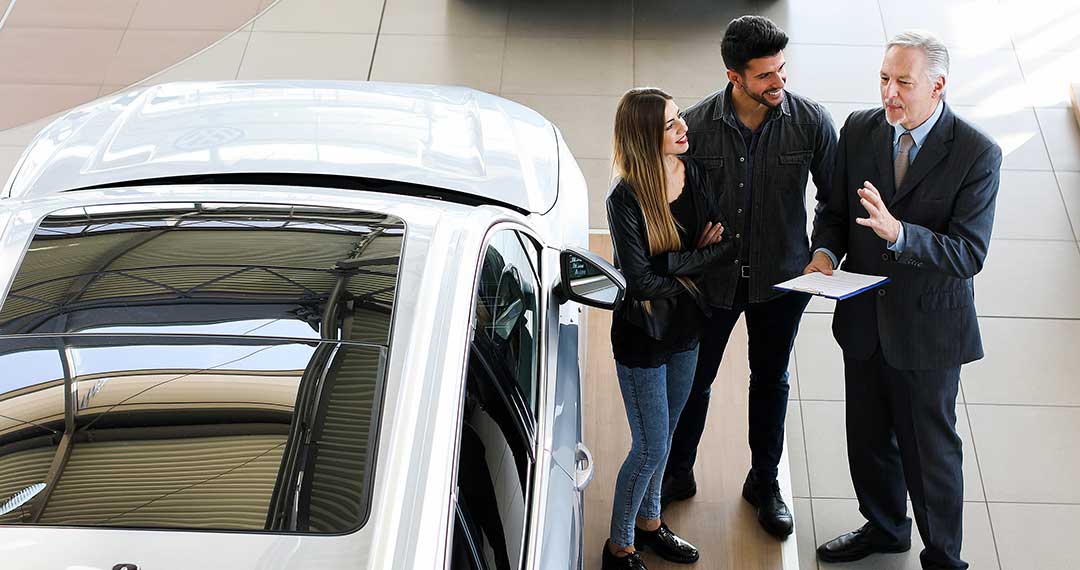
Vehicles with excessive wear common to the region (such as sun-faded paint or moisture-influenced seat wear) may receive adjusted values. Cars well-suited for family or student use, popular in a college town, sometimes get a modest premium.
Can Negotiating Improve Your Trade-In Offer?
While offers are based on appraisals, there may be some room for discussion. Bring notes about your vehicle’s strengths—new tires, recent service, accident-free history—and be polite but direct. If you’ve shopped around, mention competing offers as leverage, but keep documentation to support your claim.
Some misconceptions suggest that “holding out” always leads to higher offers. In reality, local appraisers rarely increase value dramatically unless unique conditions justify it. Knowledge, detail, and respectful communication are more effective than pressure tactics.
What Are Common Misconceptions About Trade-In Appraisals?
Many believe that major upgrades or accessories (like expensive stereo systems) will significantly boost value. Typically, these items don’t add much to the appraisal unless they directly enhance safety or reliability for area drivers.
Another misconception is that cosmetic issues like minor scratches will drastically reduce value. While a clean appearance matters, buyers and appraisers in Ruston are accustomed to some degree of wear from daily driving and Louisiana’s climate.
Finally, some assume a private sale will always yield more money. While this is sometimes true, it also involves more time, effort, and paperwork. Trading in remains a practical path for many local households seeking a straightforward process.
What Impact Does Vehicle Age and Mileage Have for Ruston Residents?
Age and mileage are always critical factors. Vehicles that have higher mileage than typical for their age are adjusted downward. However, a well-maintained older car with a complete service history—especially one proven to handle local road and climate conditions—may still fare better than a neglected newer model.
Shorter local commutes and lower city congestion can sometimes mean area vehicles rack up fewer miles compared to those in busier metropolitan areas, but maintenance history remains the primary value signal for appraisers.